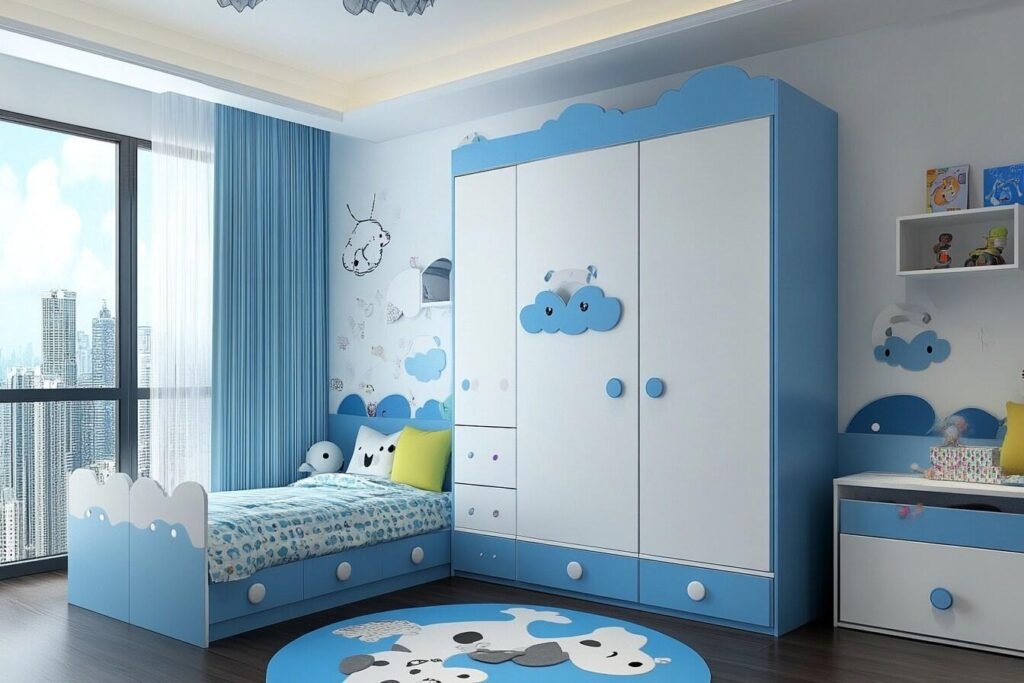
There is a common parenting instinct to manage everything for children – to make the decisions, present the results, and expect the child to be happy. And sometimes this works. But when it comes to their own bedroom, children who are involved in choosing their furniture show measurably more care for their room, more pride in their space, and feel a greater sense of belonging.
Here is how to involve children of different ages meaningfully in furniture decisions.
Very Young Children (2-4 Years)
Young toddlers cannot make complex decisions, but they can choose between two options. Show them two colours: “Do you want your bed in blue or in red?” Show them two designs: “Do you want the car bed or the train bed?” Making one choice from two gives them agency without overwhelming them.
Accept their choice with genuine enthusiasm, even if it wasn’t your preferred option. This teaches them that their voice is heard and respected.
School-Age Children (5-10 Years)
Older children can be involved more deeply. Take them to the showroom. Let them sit on the chairs, open the wardrobe doors, and try the beds. Ask them what they like and what they don’t like. Let them weigh in on colour choices, design features, and layout.
Be honest about budget constraints – you don’t need to hide the reality that some things cost more than others. “We can choose any of these three beds – which one do you like most?” teaches children about making thoughtful choices within real constraints.
Teenagers (11+ Years)
Teenagers should have substantial input into their bedroom furniture decisions. Their room is their primary personal space at an age when having personal space is genuinely important for their psychological development. Involve them fully – show them options online, take them to the showroom, listen seriously to what they want.
If their taste is very different from yours, look for compromise rather than override. A teenager who feels their space reflects their personality will take far better care of it.
The Practical Process
- Before visiting the showroom, establish parameters: the budget range, the essential items needed, and any size constraints
- Within those parameters, let the child lead the preferences
- Ask for their reasons – “Why do you like that one?” builds critical thinking
- For final decisions that you genuinely disagree with (a colour you think will clash badly), voice your concern once clearly and then respect their decision
The Long-Term Benefit
Children who grow up having their opinions respected in family decisions become adults who make thoughtful, confident decisions. Starting with something as tangible and personal as their own bedroom furniture is a beautiful place to begin.